XR training has already proven it works.
Pilots show higher engagement, faster learning, fewer mistakes, and strong learner feedback. Yet despite these early wins, many XR training programmes never make it past the pilot phase. They stall. Budgets pause. Momentum fades.
This isn’t because the content failed. It’s because scaling XR training is an operational challenge — and most platforms hit it blind.
The difference between running 10 headsets and running 1,000 isn’t better simulations or more polished graphics. It’s real-time visibility.

XR Training Doesn’t Fail — It Stalls
Most XR training pilots succeed on the metrics that matter early on. Learners enjoy the experience. Training time drops. Knowledge retention improves. Stakeholders see potential.
But pilots are forgiving environments. Small groups. Onsite facilitators. Hands-on support. Informal oversight.
Once you try to scale, everything changes.
Suddenly you’re dealing with multiple locations, dozens of concurrent sessions, remote learners, and enterprise stakeholders who want consistency, control, and proof. The same approach that worked at pilot scale starts to crack.
XR training doesn’t fail because it stops working. It stalls because nobody planned for how to actually run it at volume.
The Hidden Breaking Point After the Pilot
The real problems surface the moment XR training moves beyond a controlled test.
Platform teams start hearing the same concerns from enterprise customers: “How do we know what learners are actually doing in the headset?” and “What happens when someone gets stuck mid-session?”. Basically, how do we supervise this without sending someone to every site?
At pilot scale, you can wave those questions away. At scale, they’re dealbreakers.
And most XR platforms are stuck cobbling together workarounds — casting that only works locally, post-session reports that arrive too late, manual check-ins, one instructor per headset. It’s held together with duct tape. That approach falls apart under any real volume. Support costs climb. Training quality drifts. Operators lose confidence. Buyers hesitate to expand.
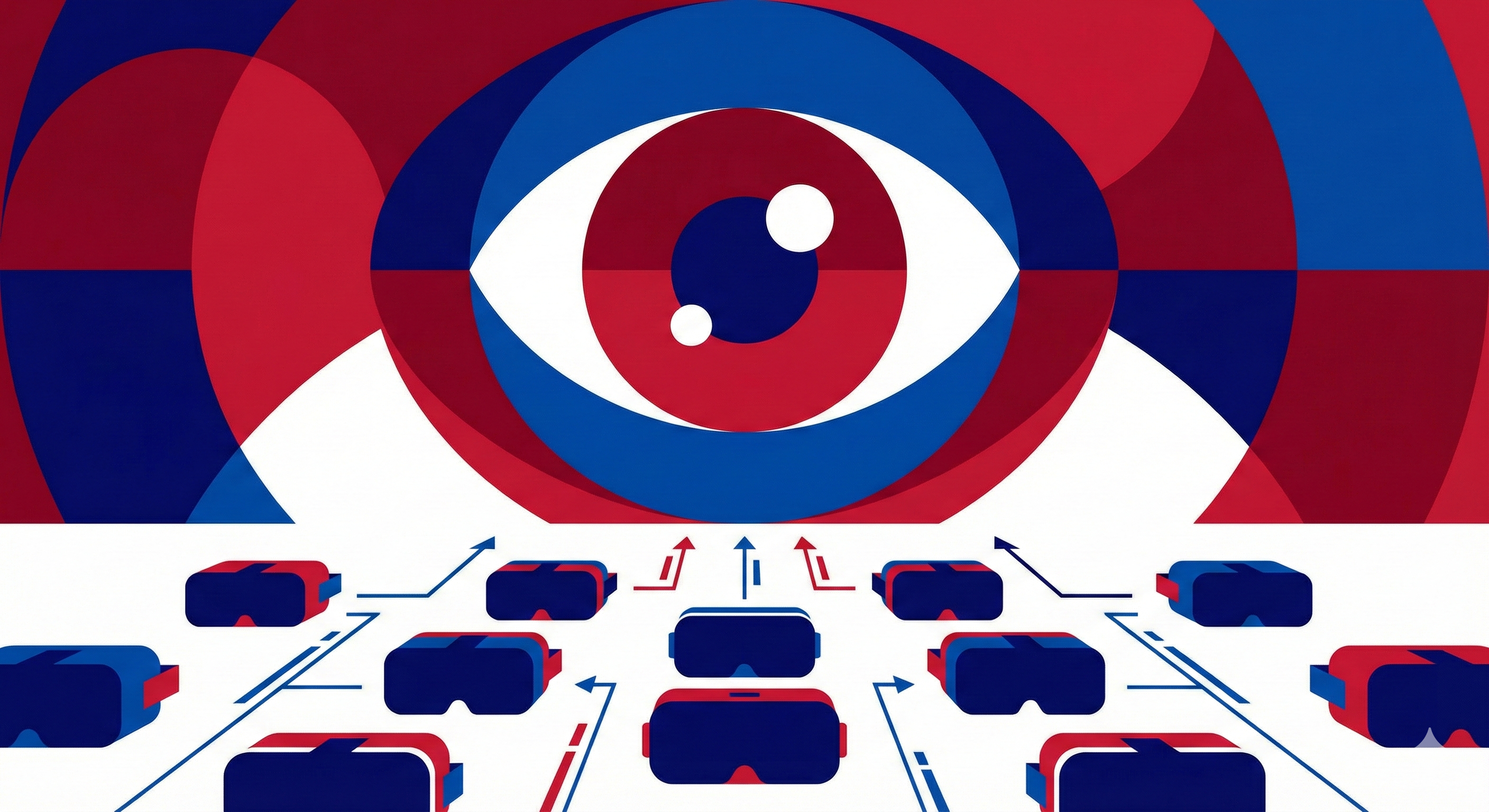
The root cause isn’t content quality. It’s that nobody can see what’s happening inside the headset.
Why Real-Time Visibility Is the Difference Between 10 and 1,000 Headsets
Real-time visibility means being able to see exactly what the learner sees, as it happens, without relying on local casting or user interaction.
At small scale, this feels optional. At enterprise scale, it’s the thing everything else depends on.
Without it, XR training is a black box. Learners go in, experiences run, outcomes are assumed — but operators have no way to oversee what’s actually happening in the moment.
With it, trainers can monitor many sessions at once. Support teams can diagnose issues on the spot instead of playing detective after the fact. Operators can step in before a session goes sideways. Training quality holds steady across locations.
This isn’t about analytics. It’s about knowing what’s happening while it’s still happening — and being able to do something about it.
Scaling XR Training Is an Operations Problem, Not a Content Problem
XR content scales easily. You can deploy the same simulation to one headset or one thousand with minimal effort.
Operations don’t.
When training programmes grow, platforms have to answer questions that have nothing to do with immersion or realism. Who’s supervising these sessions? How do we support learners who aren’t in the same building as the instructor? How do we keep things consistent? How do we do all of this without hiring a small army?
Real-time visibility sits at the centre of all of it. It’s what turns XR training from a standalone experience into something you can actually operate at scale.
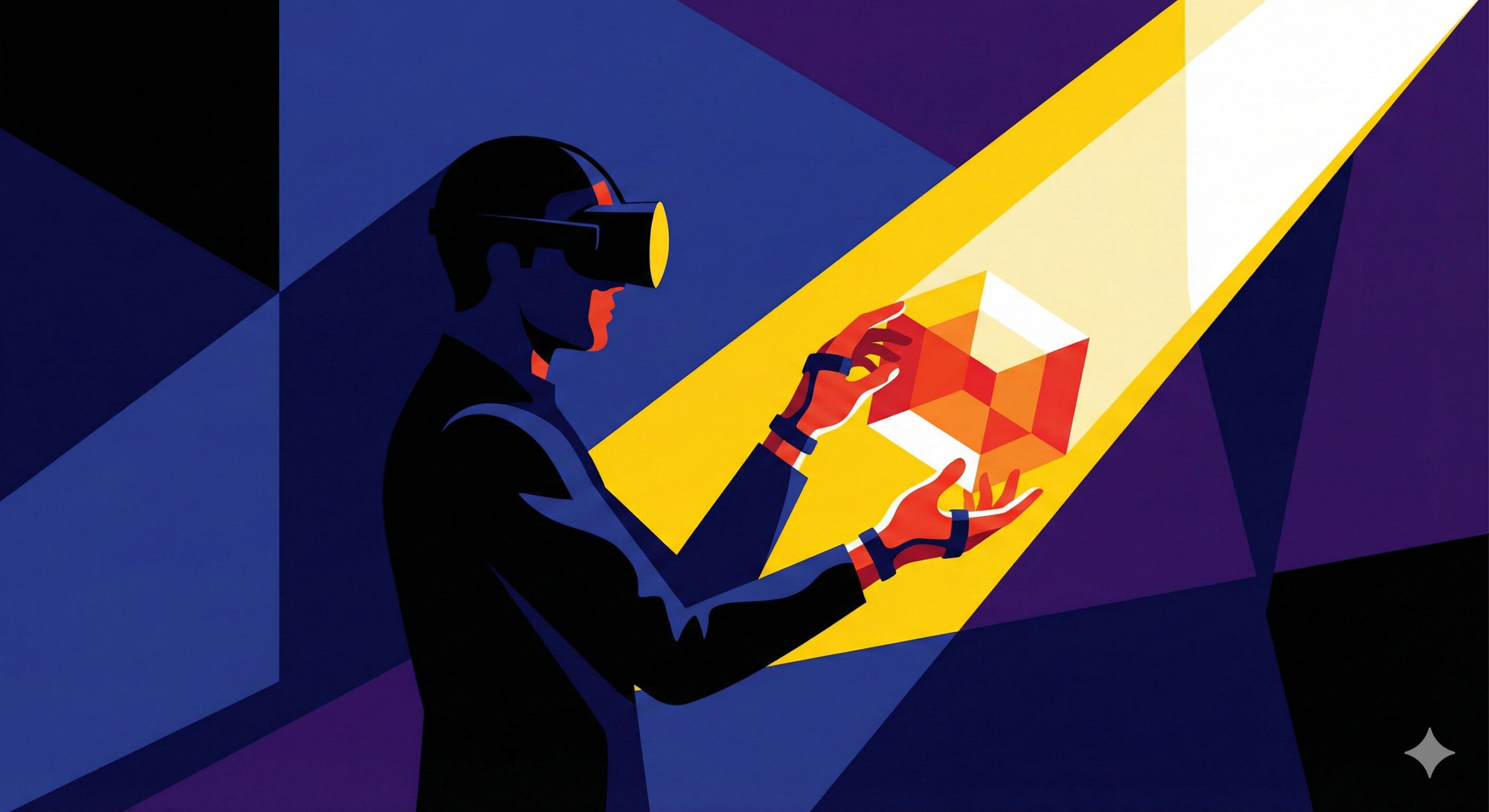
What This Looks Like in Practice
The value of live visibility isn’t abstract. It shows up in very concrete ways once headcount and device numbers grow.
Remote supervision without onsite instructors. Without visibility, instructors need to be physically present. That limits where you can run training and drives up cost fast. With real-time visibility, one instructor can oversee multiple learners across sites from a single location. This is usually the first thing platforms notice when they add visibility — the economics shift immediately.
Faster issue resolution. When something goes wrong in XR, guessing is expensive. Without live visibility, support teams are stuck relying on user descriptions and delayed logs. With it, they see the problem as it happens and act on it in real time. Sessions get shorter. Fewer get abandoned. Support overhead drops.
Consistent quality across every session. At scale, training quality tends to drift. Some learners get great guidance. Others struggle quietly. Mistakes go unnoticed until after the session ends — if they’re noticed at all. Live visibility lets operators spot common failure points and step in before bad habits form. Consistency is what enterprise buyers care about more than almost anything else. Visibility is how you actually deliver it.
Confidence for enterprise buyers. Scaling XR training isn’t just a technical decision. It’s a risk decision. Enterprise buyers want to know that sessions can be supervised, learners won’t be left hanging, and problems won’t spiral unnoticed. Real-time visibility provides that reassurance. Without it, you’re asking them to trust a black box.
Post-Session Reporting Alone Isn’t Enough
Analytics and reporting are valuable — but they’re not a substitute for live oversight.
Post-session data tells you what happened. Real-time visibility lets you change what happens. There’s a big difference.
A stuck learner costs time and confidence. A failed session wastes resources. A bad experience undermines trust in the whole programme. By the time a report surfaces any of this, you’ve already lost the moment.
Live visibility means in-the-moment coaching, immediate correction, and decisions made while they can still make a difference. It’s the difference between watching the replay and being in the room.
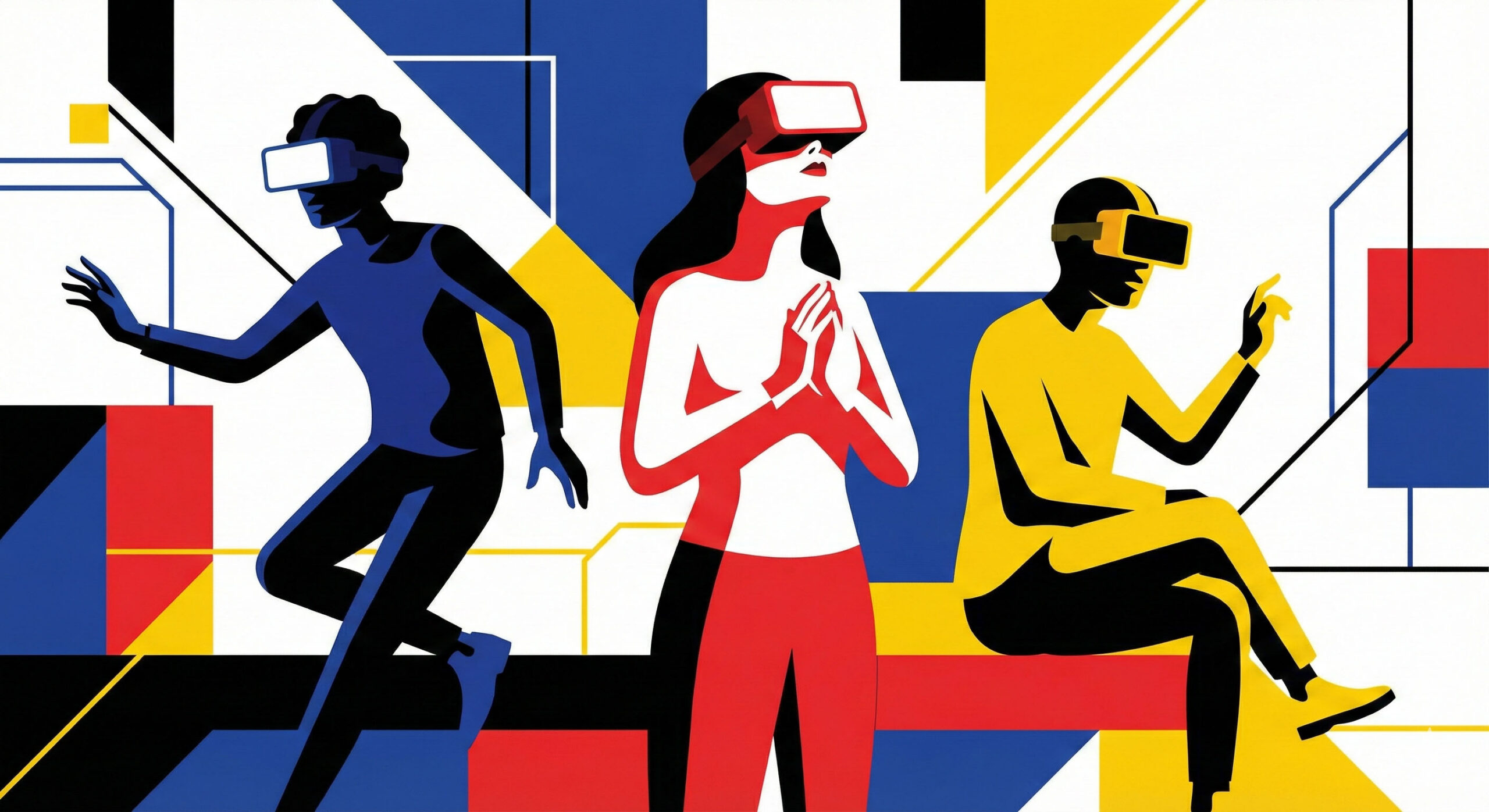
Designing for Scale Starts With Visibility
Platforms that struggle to scale often treat visibility as something they’ll figure out later. Platforms that scale treat it as infrastructure.
To support enterprise deployments, visibility needs to be built in — not bolted on. It has to be reliable across networks and locations, designed for multi-session oversight, and usable without requiring anything from the learner.
When visibility depends on casting, prompts, or local setup, it breaks. And things that break don’t scale.
The platforms that get past the pilot ceiling are the ones that design for this from day one.
From Pilot Success to Enterprise Rollout
XR training already delivers results. That’s been established.
What separates pilots from enterprise rollouts isn’t better content or more convincing demos. It’s the ability to operate XR training confidently at volume — to see every session, support learners remotely, maintain quality, and reduce the operational risk that makes buyers nervous.
Real-time visibility is what makes that possible.
If you’re building or running an XR training platform and want to scale without scaling headcount, this needs to be part of your foundation. Not something you add in v3.
That’s what separates 10 headsets from 1,000.